
Wolf Symbol Meaning
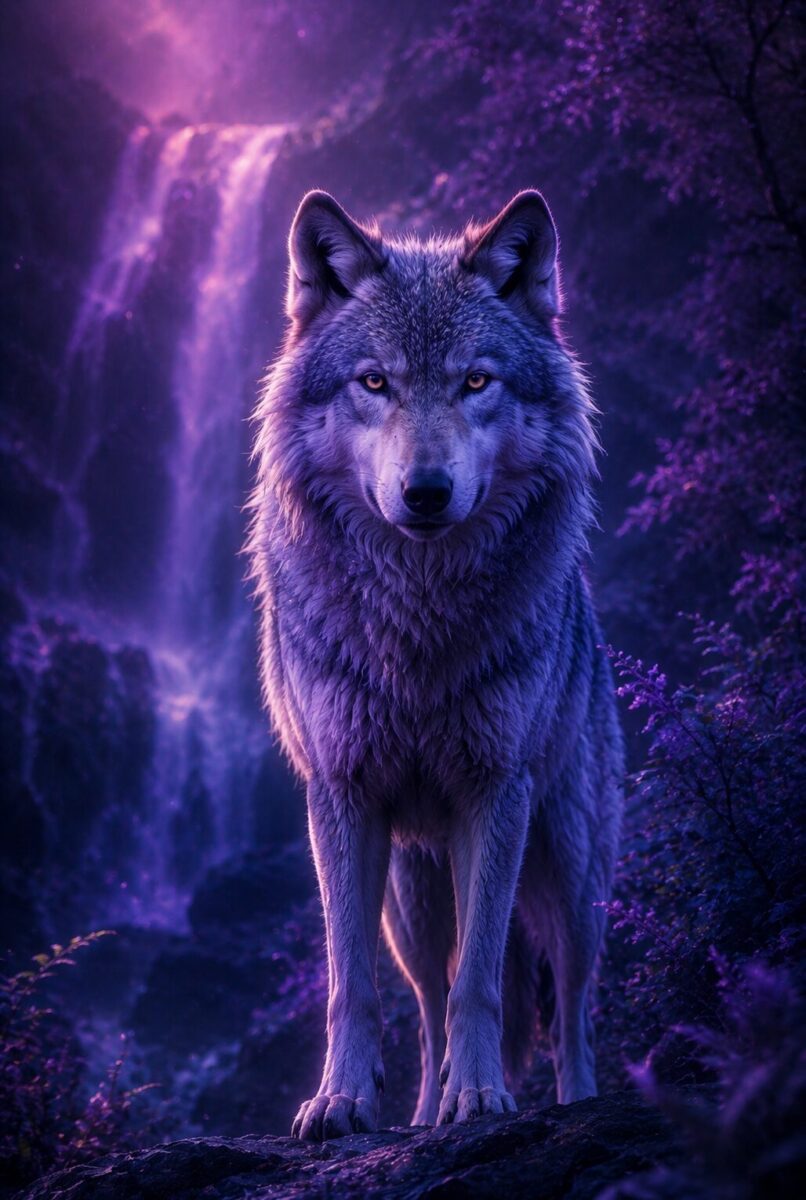
Description
The Wolf is depicted as a powerful canine known for its intelligence, keen instincts, and strong social bonds. Often shown howling at the moon, moving through forests, or standing watch over its pack, the Wolf embodies both independence and loyalty. Its presence conveys strength, survival, leadership, and a deep connection to intuition and the natural world.
Meaning and Symbolism
loyalty
instinct
leadership
protection
freedom
intelligence
courage
perseverance
family
independence
History
Wolves have held symbolic significance across cultures for thousands of years. Many Indigenous traditions viewed the Wolf as a teacher, guide, and protector, admired for its wisdom and devotion to the pack. In Norse mythology, wolves appeared as both powerful allies and formidable forces of destiny, while Roman tradition linked the animal to the founding of Rome through the legend of the she-wolf who nurtured Romulus and Remus. Throughout history, the Wolf has represented survival, resilience, and the balance between individual strength and community. Its enduring symbolism reflects humanity’s respect for instinct, loyalty, and the untamed spirit of nature.
Related Symbols
Home

Forge Your Own

Library